Garden Maintenance in Bermondsey
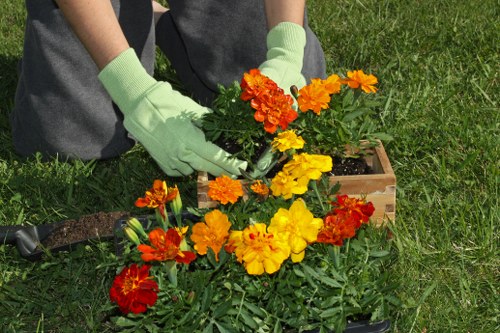
Garden maintenance in Bermondsey keeps outdoor spaces tidy, workable and presentable throughout the year. Our service covers the regular tasks that help planted areas, lawns, borders and hard edges stay under control, with practical attention to the parts of a garden that most often need repeated care. Whether the space is compact or more varied, the aim is to keep it looking deliberate rather than neglected, using straightforward maintenance that suits the layout and the season.
We offer routine upkeep for domestic and commercial outdoor areas, including mowing, hedge trimming, light pruning, clearance and general tidying. Where a garden has mixed features, the work can be planned so that live plants, grassed areas and access routes are all handled in one visit rather than piecemeal. If you need a regular schedule or one-off attention, you can ask for a quotation and outline the current condition of the space in plain terms.
Some gardens only need seasonal attention, while others benefit from a more frequent visit to keep growth from becoming difficult to manage. We can support maintenance that fits the condition of the garden, the type of planting and the level of finish you want to keep. Clear communication about priorities helps us focus the work on what matters most, especially where the space has been left for a while or contains several different features.
Regular upkeep for managed outdoor spaces
Regular garden maintenance is often about consistency rather than major change. Cutting grass at the right height, keeping edges neat and preventing hedges from encroaching into paths all make a visible difference without altering the character of the space. In Bermondsey, where gardens may be modest in size yet closely used, practical upkeep can be more valuable than heavy intervention because it preserves order without making the area feel stripped back.
We approach routine work by looking at the current state of the garden and choosing tasks that will give the most immediate benefit. That might mean shaping overgrown growth, clearing fallen material, removing weeds from obvious places and restoring a sense of structure. When the outdoor area contains planted beds as well as open surfaces, maintenance needs to respect each part of the garden rather than treating everything the same way.
For most clients, it helps to think about maintenance as a sequence of decisions. The following points are often useful when planning the work:
- Which parts of the garden need recurring attention, and which only need occasional care
- Whether the priority is appearance, access, plant health or all three
- How much green waste may need collecting and removing
- Whether the garden has borders, hedges or climbing growth that need shaping
- Whether the work should restore order across the whole space or concentrate on a few areas first
Lawns, edges and border care

Lawn mowing is one of the most regular maintenance tasks, but it is more than simply reducing height. A good cut helps a lawn look even, keeps the surface easier to use and supports a tidy overall appearance when paired with edging and clearing. If the lawn has become patchy or uneven in growth, the service can be adjusted so it is cut at an appropriate level rather than reduced too sharply in one visit.
Border care matters just as much in a garden that has a lawn. Where grass meets beds, paving or a fence line, a clean edge helps define the layout and stops the space from looking blurred. In planted borders, maintenance may include removing unwanted weeds, checking for crowding and keeping the shape of the planting clear. These smaller tasks often make the biggest difference to the way a garden reads from the house or from a shared access point.
When lawns and borders are maintained together, the result is usually more cohesive. Grass cuttings, loose leaves and small amounts of waste can gather quickly around edges, so it is sensible to include tidying as part of the task rather than treating it separately. If the garden has different surfaces, we can plan the order of work so that trimmed areas are finished neatly after mowing and border attention is complete.
Hedges, shrubs and pruning work
Hedge trimming helps keep boundaries under control and prevents hedges from becoming heavy, misshapen or intrusive. The way a hedge is cut depends on its purpose: a screening hedge may need a crisp top line and sides that do not spill outward, while a lower decorative hedge may need a lighter shaping approach. The aim is to keep growth defined without removing so much that the plant looks sparse or unbalanced.
Shrubs and smaller ornamental plants can also benefit from careful pruning where they have become overextended, crossed over each other or obscured key features of the garden. Maintenance pruning is usually best done with the shape of the plant in mind, not just the desire to reduce size. That is especially true in gardens with mixed planting, where one neglected shrub can dominate a bed and make the whole area seem less orderly.
In practical terms, trimming work often creates more green waste than customers expect, especially where growth has been left for some time. We can include collection as part of the maintenance plan so that the space is left tidy once the cutting is finished. If you are comparing options, it is often worth considering whether the garden needs a light seasonal tidy, a shape correction or a more thorough cut-back to restore its structure.
Clearance, tidying and resetting overgrown areas
When a garden has fallen behind, maintenance may start with clearance rather than routine trimming. This can involve removing dead material, gathering loose debris, reducing tangled growth and making the area easier to work in again. A cleared garden is not only neater to look at; it also makes future upkeep more manageable because the important features of the space are easier to reach and assess.
Garden clearance is often useful where the outdoor area has become crowded with cuttings, self-set growth or discarded garden material. Depending on the condition of the space, the work may focus on pathways, borders, corners and access routes first so that the garden becomes safe and usable before any finer maintenance is done. This can be particularly helpful where a neglected area needs to be reset into a workable condition before regular care resumes.
Not every clearance job is the same. Some gardens need a straightforward tidy and waste collection, while others require more attention to broken-down growth, hidden edges or layered debris. The value of proper clearance is that it creates a clearer starting point for everything that follows. Once the clutter is reduced, mowing, trimming and general maintenance usually become more effective and easier to plan.
Supported maintenance for mixed garden layouts

Services overview can help if you want to see the broader range of work that sits around ongoing garden maintenance. Some gardens call for more than one type of task, and it is often more efficient to combine them where appropriate. For example, grass cutting, hedge trimming and clearance can be coordinated so that the whole space is handled in a sensible order rather than in disconnected visits that leave the garden half-finished.
In a mixed layout, each part of the garden deserves its own approach. Open lawn areas need a different rhythm of care from dense planting or fenced boundaries, while paved or gravel areas often need tidying to stop them from looking untended. Maintenance works best when it recognises those differences. That is why we plan the work according to what is present rather than applying a single method everywhere.
Useful maintenance choices often come down to how much you want to preserve, reshape or simply tidy. If the garden is mainly functional, the task may be to keep access clear and growth controlled. If it is decorative, shaping and fine detail may matter more. Either way, an organised approach avoids unnecessary work and keeps attention on the features that affect the appearance of the whole space.
How we plan a quotation
If you are ready to request a quotation, it helps to describe the size of the garden, the main tasks you think are needed and whether the work is ongoing or one-off. Photos can also be useful where the layout is awkward or the growth level is hard to describe in words. We do not need a perfect explanation, just enough detail to understand the scope so the estimate is based on the actual condition of the space.
Pricing and quotes gives a starting point for anyone comparing garden maintenance options and wanting to understand how quotations are approached. The main factors are usually the size of the area, the amount of work required, how accessible the garden is and whether waste needs to be removed. Different combinations of tasks can affect the time involved, which is why it helps to be clear about what needs doing first.
When a garden has several maintenance issues at once, it is usually better to outline the priority order. For example, you may want the lawn cut, the hedge reduced and the edges cleared in one visit, or you may prefer the work to be spread over stages. A clear brief makes it easier to quote accurately and helps the maintenance plan match the space instead of forcing the space into a fixed pattern.
About Bermondsey
Bermondsey is a historic district in South London, long associated with riverside industry, trading activity and later waves of redevelopment. It sits within the London Borough of Southwark and is closely connected to the Thames, with the river shaping its early commercial life and transport links. The area’s name is often linked to an island-like marshland origin, and over time Bermondsey developed from a place of monastic significance into a working district with docks, warehouses and manufacturing. Although much of the old industry has changed, traces of that past remain visible in the urban fabric, especially in converted buildings, narrow streets and surviving fragments of industrial architecture.
The district includes a mix of older terraces, newer apartment blocks and streets that reflect different phases of rebuilding. Bermondsey Street is one of its best-known routes, now recognised for independent businesses, galleries and restaurants, while nearby green and public spaces offer a contrast to the denser built environment. The area is also notable for its proximity to the river, the historic docklands and landmarks associated with London’s changing waterfront. Bermondsey Spa and nearby regeneration projects have added another layer to its character, bringing contemporary housing and public realm improvements into a place with a long social history. The result is a locality that combines heritage, reinvention and everyday neighbourhood life in a relatively compact part of inner London.
Local identity in Bermondsey is shaped by the contrast between old and new: former industrial premises alongside modern developments, busy streets near quieter residential pockets, and reminders of maritime trade near contemporary cultural spaces. That mix has made the district distinctive within Southwark, with a strong sense of place built from layered history rather than a single architectural style or period. It remains a part of London where the urban landscape tells a story of adaptation, continuity and change.
Ongoing care for seasonal change
Seasonal shifts affect how a garden grows and what kind of attention it needs. In spring, growth can move quickly and make borders, hedges and lawns look untidy in a short time. In summer, the focus may be on keeping the garden in shape without overcutting or stressing the plants. In autumn, fallen material and softer growth can build up around paths and beds, while winter maintenance is often about keeping the space manageable and avoiding a heavy backlog for the next season.
In a place like Bermondsey, where outdoor spaces may be smaller and more enclosed, seasonal upkeep can be especially important because neglected growth becomes noticeable very quickly. Regular maintenance prevents the garden from swinging between overgrown and overcut. That steadier rhythm usually means less drastic work is needed later, and it helps the area stay ready for ordinary use without requiring a full reset each time the weather changes.
If you are unsure how often the garden should be attended to, it can help to think about the pace of growth rather than the calendar alone. Some spaces need attention every few weeks during the active season, while others are better handled by a more occasional visit. The right pattern depends on the planting, the layout and how much finish you want to preserve between visits.
Waste, access and finishing touches

Finishing the job properly matters just as much as the main cutting or trimming. A garden can look tidy in principle yet still feel incomplete if clippings, branches and loose debris are left behind. For that reason, we treat clearing up as part of the maintenance work rather than an afterthought. The aim is to leave surfaces presentable, edges readable and access routes free from unnecessary mess.
Access also affects how the work is carried out. If gates are narrow, routes are shared or the garden has awkward corners, the maintenance plan needs to take that into account before tools are used. Likewise, if waste has to be moved through a property or down a side passage, the route and volume should be considered so the job stays orderly. These are simple practical points, but they can make a noticeable difference to the quality of the finished result.
Contact us when you are ready to discuss your garden and request a quotation. If you prefer to prepare first, make a brief note of the main tasks, the current state of the space and anything that needs special attention. Then we can look at the work as a whole and shape the maintenance plan around what the garden actually needs.
Choosing the right level of maintenance
Not every garden needs the same amount of intervention. A light tidy may be enough where the space is already well kept, while a more involved visit may be appropriate if growth has started to crowd the garden or hide the structure. The right level of maintenance depends on what you want to preserve, what you want to improve and how much time has passed since the last proper care.
There is also a difference between keeping a garden acceptable and keeping it consistently presentable. The first can be achieved with occasional attention; the second usually needs a more deliberate pattern of upkeep. We can work with either approach, whether you are looking for a one-off refresh before the space is used again or a repeated service that maintains a steady standard through the year.
About us and the wider site pages can give you a fuller sense of the practical service areas available, but the main point is simple: regular garden care prevents small issues from becoming larger ones. If you would like to move forward, this is the right time to request a quotation and describe the work you have in mind. Our final step is straightforward: send the details and we will help shape the next visit.