Recycling and Sustainability — Garden Maintenance Bermondsey
Garden Maintenance Bermondsey is committed to creating an eco-friendly waste disposal area and an efficient sustainable rubbish gardening area across Bermondsey and nearby neighbourhoods. Our approach to Bermondsey garden maintenance blends practical on-site sorting, community reuse, and low-carbon logistics to turn garden waste into resources rather than rubbish. We describe below how our garden services in Bermondsey reduce landfill, support local reuse partners, and meet measurable recycling goals.Eco-friendly waste disposal area and local waste separation
We design each site with clear zones for green waste, mixed dry recycling and food waste to match the borough's approach to waste separation. In line with Southwark's emphasis on separate collections, we prioritise on-site separation of green/organic material, mixed recyclables and non-recyclable residues. Our current recycling percentage target is 65% diversion from landfill by 2030, measured across all routine garden clearances and maintenance contracts. This target is supported by regular audits, transparent reporting and continuous staff training. Our sustainable rubbish gardening area procedures include practical steps for every crew:
- Pre-sort materials on-site (wood, soil, green waste, plastics and metal).
- Separate hazardous items and e-waste for specialist handling.
- Bulk green waste baled or contained for transfer to composting partners.
Working with local transfer stations
We coordinate with nearby transfer stations and depots to route materials efficiently. Rather than long trips to remote facilities, we use inner-London transfer points and licensed transfer stations in Southwark and neighbouring boroughs for consolidation. These agreements mean green waste can be redirected straight to commercial composting or soil conditioners, wood to chipping and biomass processors, and dry recyclables to authorised materials recovery facilities.
Partnerships with charities and community reuse
A central pillar of our sustainable strategy is rehoming usable items. We work with local charities, community organisations and social enterprises — including tool libraries, community compost hubs and national reuse charities — to ensure that usable furniture, tools, planters, and potted plants find new homes. Donations are made to a mix of local projects and national partners such as Emmaus-style hubs and tool refurbishment schemes. Where appropriate we support community gardens and allotment groups with free or discounted materials, strengthening our local circular economy.As part of our community engagement we run seasonal collections so that soil, healthy shrubs and paving can be reclaimed for community projects. These partnerships reduce waste handling costs and provide social value — diverting more material from disposal while supporting local regeneration and training schemes.
Low-carbon vans and sustainable transport
Our fleet for Garden care Bermondsey includes electric vans, plug-in hybrids and low-emission vehicles, supplemented by cargo bikes for tight-access jobs. We use telematics and route optimisation to cut mileage and emissions, and we schedule multi-stop rounds to maximise load efficiency. Routine checks ensure minimal idling and reduced fuel use; where diesel vehicles are still in use they meet the latest Euro emissions standards and are being replaced on a planned timeline. Beyond vehicles, we favour local transfer options and on-foot delivery for small items to lower the carbon footprint of every task. Our operation actively monitors CO2 reductions from fleet improvements and reports progress against internal sustainability KPIs. This is part of a broader push by our Bermondsey garden services to be climate-conscious while maintaining high service standards.
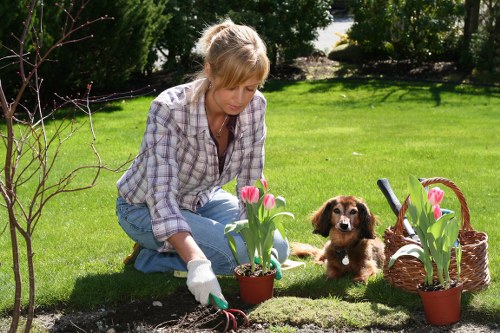 Practical sustainability measures include onsite chipping and mulching to return carbon and nutrients to local soil, segregation stations to reduce contamination of recycling streams, and selective reuse of hard landscaping materials. We promote the use of compost produced from local green waste for soil improvement, and we advise clients on planting schemes that require less maintenance, less water and fewer chemical inputs—helping reduce the long-term volume of garden waste.
Operational standards and circular outcomes
Our waste handling standards are designed to be transparent and measurable: job-level segregation sheets, weight-tracked loads, and partner receipts from transfer stations and composting sites. We aim to increase our recycling percentage each year by improving source separation and expanding charity partnerships, with an interim target of 55% diversion within two years as we scale operations.We also provide education for clients and staff on best-practice separation, encourage reuse over replacement, and support community reuse events. Through these actions our Garden Maintenance Bermondsey teams reduce carbon, save resources and create local benefits — demonstrating that sustainable rubbish gardening is practical, affordable and scalable.
Our commitment is ongoing: continuous improvement of vehicle emissions, deeper ties with transfer stations and charities, and higher on-site recycling rates will keep our Bermondsey garden maintenance services aligned with climate and circular economy goals while ensuring an effective, tidy, and green urban environment.